Subcategories
-
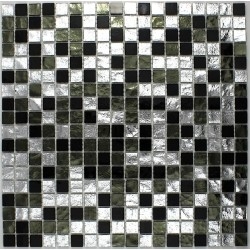
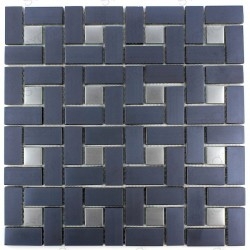
Mosaic for floor
Technical performance: what matters when choosing a mosaic for the floor
Choosing a mosaic for the floor is not just about visual appeal. A floor covering must meet demanding technical requirements. From mechanical stress to humidity and slip-resistance, floor mosaics must be selected according to performance first, aesthetics second.
The first consideration is wear and impact resistance. Unlike wall tiles, flooring needs to withstand regular foot traffic, water, dropped objects and cleaning agents. That’s why materials like porcelain stoneware or natural stone are preferred for floor applications. These materials are known for their density, low porosity and high mechanical strength.
The second essential criterion is slip resistance, especially in wet zones like bathrooms or walk-in showers. Mosaic is particularly well-suited for these environments because of its small format and high joint density, which naturally provides better grip.
Finally, the mosaic must be compatible with waterproofing systems. The substrate must be properly prepared with suitable adhesives and waterproof grouts, preferably epoxy-based, for long-lasting protection in humid environments.
-
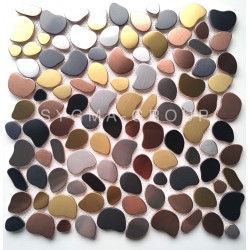
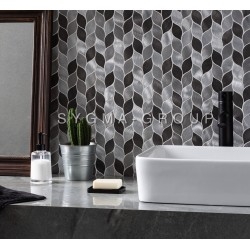
Wall Mosaic
Technical considerations when choosing mosaic for wall applications
Mosaic tiles are a highly versatile and decorative solution for vertical surfaces, especially in bathrooms, kitchens, and wet areas. Unlike floor tiles, wall mosaics are not exposed to high mechanical loads, but they must still meet important technical criteria related to moisture, adhesion, weight, and compatibility with the substrate.
First, the wall surface must be clean, level, dry, and structurally sound. In bathrooms or areas subject to moisture, a proper waterproofing system is essential before installation. This can include liquid membranes or waterproof boards compliant with industry standards.
The type of adhesive depends on the tile material and setting. For dry, interior walls, a ready-mixed adhesive may be suitable. In wet zones, it's crucial to use a flexible cement-based adhesive (C2 classification or higher) for strong, long-lasting bonds.
Lastly, grouting plays both a technical and aesthetic role. For wet areas, we recommend water-repellent or epoxy-based grout to prevent moisture infiltration, stains, and mould. Grout joints are typically between 2 and 3 mm, depending on the mosaic format and pattern.
Active filters