Modern kitchen tiles

1. The Evolution of the Modern Kitchen Space: From Functional Work Area to Architectural Epicenter

In contemporary interior architecture, the kitchen has definitively broken free from its historical status as a purely utilitarian, isolated room. Once a secluded space dedicated solely to food preparation, separate from the social life of the home, it has transformed into the undisputed epicenter of the modern household. Today’s kitchen is a highly dynamic, hybrid living area where the boundaries between professional culinary technicality, daily family life, high-end design, and social gatherings blur completely. It is the place where the day begins over a morning coffee, where guests are welcomed as evening falls, and where the act of cooking itself is celebrated as a deeply creative and communal experience.

This fundamental transformation of the space places entirely new and wide-ranging demands on interior design and the selection of surface coverings. When a kitchen flows seamlessly into the adjacent living and dining areas, its surfaces can no longer be chosen in isolation based on purely pragmatic criteria. They must form an architectural bridge: combining the uncompromising durability of a professional catering environment with the aesthetic sophistication, warmth, and prestigious appeal of a high-end living room. Every wall, niche, and backsplash becomes a visible design element that fundamentally shapes the architectural character of the entire home.

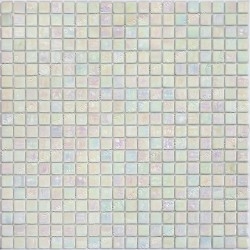
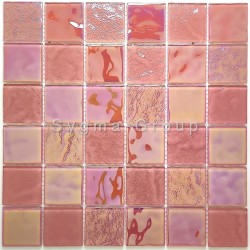
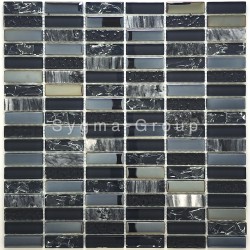
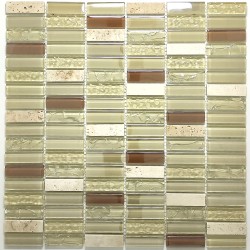
In this demanding arena between art and construction, the modern kitchen mosaic tile stands in a position of absolute privilege. Where standardized, large-format tiles, rigid panels, or massive monolithic slabs visually flatten the space—often introducing a cold, clinical, or monotonous rigidity—mosaic deliberately fragments the matter. By breaking the surface down into hundreds or thousands of small, independent pieces—the artistic tesserae—mosaics reintroduce a human, hand-crafted element that is deeply missing from the automated, mass-produced surfaces of modern design.

Mosaics transcend the classic, purely protective function of a wall covering. They act as a highly sophisticated visual tool that fundamentally changes the perception of space. Because of the countless, subtly varying angles of each individual small piece, a surface is created that does not simply reflect light, but captures, refracts, and redistributes it in the form of dynamic, living nuances. A mosaic backsplash is alive: it changes its appearance with the rhythm of daylight, sparkles under artificial accent lighting, and forms a fascinating tactile counterpoint to the flat, handleless doors and built-in appliances of contemporary kitchens. To choose a mosaic is to reject mass standardization in order to gift the kitchen a timeless, unyielding texture of permanent value.

Loading...
Back to top