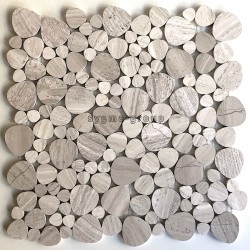
Tile size
Mosaic by Tile Size: A Practical Guide for Tailored Design Choices
The "mosaic by tile size" category is a valuable reference for anyone seeking a coherent and customized decorative result. More than a simple filtering option, it is a crucial element in both technical and aesthetic planning. Tile size determines the rhythm of a wall, the texture of a floor, and the way light and material interact. This extended guide helps you understand how different mosaic sizes—like 1.5x1.5 cm, 2x2 cm, 2.3x2.3 cm, or 7.5x15 cm metro format—can define the look and feel of your interior design.
Subcategories
-
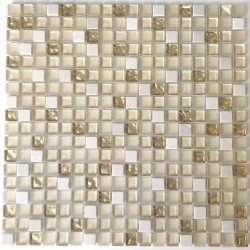
1,5x1,5cm
Discover the 1.5 x 1.5 cm Mosaic: Small Tiles, Big Style
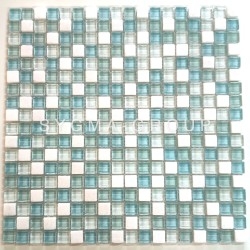
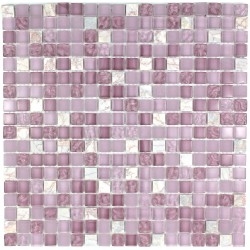
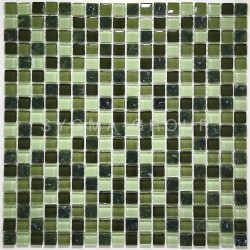
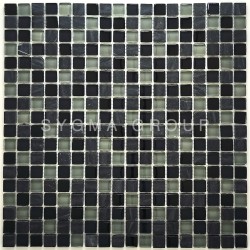
At Sygma Group, mosaic is more than a surface covering – it’s a decorative medium that transforms interiors into stylish, unique environments. The 1.5 x 1.5 cm mosaic category is designed for those who love precision, elegance, and creativity. This small size opens up a world of decorative opportunities, offering flexibility that larger tiles cannot provide.
Why Choose a Small Format?
On its own, a 1.5 cm tile might seem tiny. But when combined into sheets and layouts, these small tiles create stunning decorative effects. The format is particularly well-suited to bathrooms, kitchens, and showers, where fine details and clean finishes make all the difference. The abundance of grout joints also improves slip resistance, making it a practical choice for wet areas.
A Blend of Aesthetics and Functionality
The appeal of the 1.5 x 1.5 cm mosaic lies in its versatility. It adapts to flat, curved, and irregular surfaces, making it perfect for accent walls, niches, or even rounded columns. Available in a wide range of finishes – glossy, matte, iridescent, textured – it provides endless design possibilities while maintaining excellent technical performance.
A Collection Designed to Inspire You
From brilliant glass mosaics that reflect natural light to earthy stone mosaics that bring warmth and texture, the collection is curated to meet every design preference. Whether you want a sleek, modern bathroom, a colorful kitchen backsplash, or a spa-inspired shower, the 1.5 x 1.5 cm mosaic will help you achieve your vision.
-
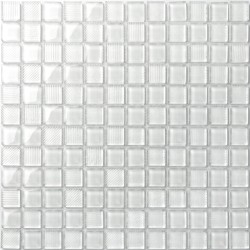
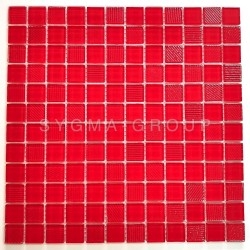
2x2cm
-
2,3x2,3cm
-
2,5x2,5cm
-
3x3cm
-
5x5cm
-
10x10cm
-
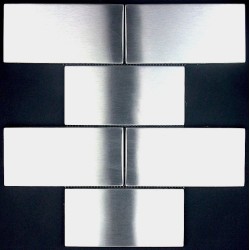
7,5x15cm
-
Other sizes